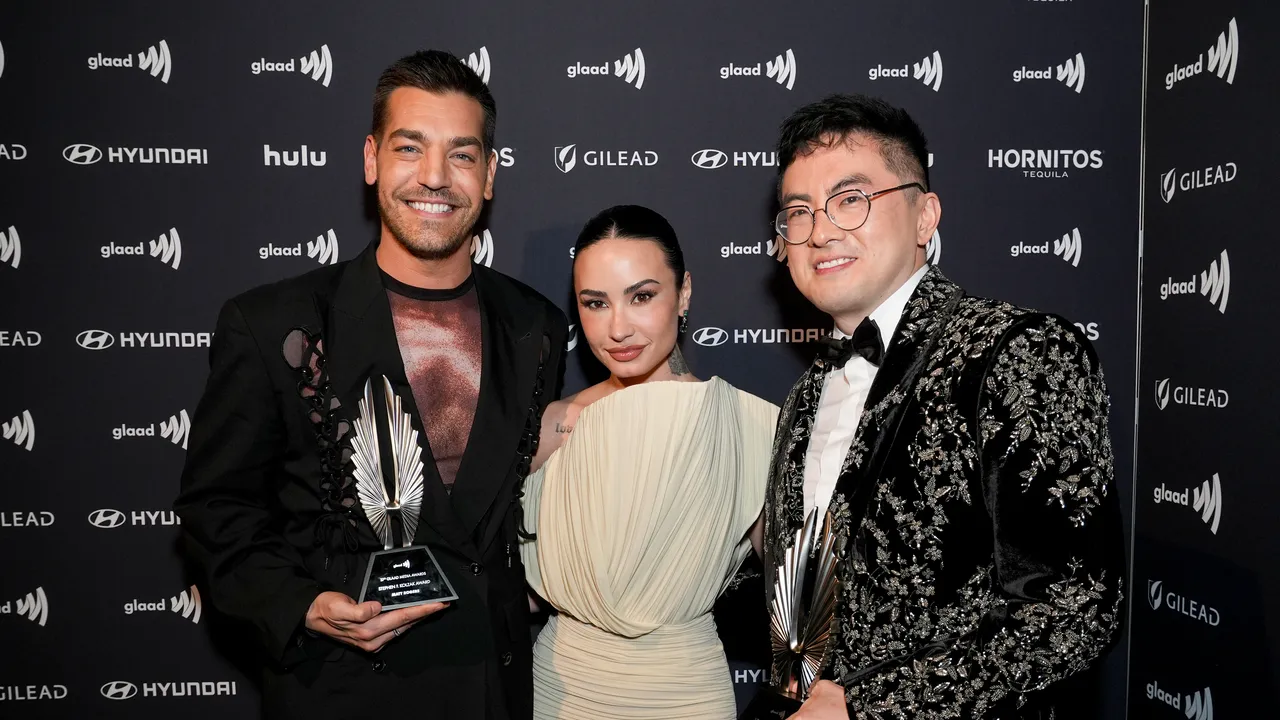
Picture this: a glittering ballroom in Los Angeles, packed with stars, activists, and trailblazers all dressed to the nines. The air buzzes with excitement, a mix of cheers and heartfelt speeches echoing off the walls. That’s the scene at the 37th Annual GLAAD Media Awards on March 5, 2026, where the spotlight shone brightly on LGBTQ inclusivity in media. As someone who’s followed these events for years—remembering the thrill of seeing icons like Laverne Cox command the stage—watching this year’s return felt like a powerful reminder of progress amid tough times. The awards, hosted by the ever-charming Jonathan Bennett, celebrated stories that push boundaries and foster acceptance, from steamy TV dramas to hilarious podcasts. And with surprises like Liza Minnelli’s birthday serenade, it was a night that blended glamour, advocacy, and a dash of unexpected joy.
The Triumphant Return of the GLAAD Media Awards
After a year of virtual and scaled-back events due to ongoing global challenges, the GLAAD Media Awards made a full-throated comeback at The Beverly Hilton. This wasn’t just any awards show; it was a beacon for LGBTQ representation, honoring media that accurately and inclusively portrays queer lives. Attendees felt the weight of the moment, especially with rising anti-LGBTQ legislation in places like Kansas making headlines. Yet, the evening pulsed with hope, reminding everyone why these gatherings matter— they amplify voices that too often get drowned out in mainstream narratives.
Demi Lovato’s Steamy Opening Performance
Kicking off the night with a bang, Demi Lovato took the stage in a red corset, fishnet stockings, and knee-high boots, delivering a sizzling rendition of “Kiss” from her chart-topping album It’s Not That Deep. The performance was electric, complete with choreographed kisses among dancers that had the audience on their feet. Lovato, a longtime advocate for LGBTQ rights and a past Vanguard Award recipient herself, brought raw energy and vulnerability, turning the opener into a statement on love without limits. It was one of those moments where you could feel the room unite, cheering for visibility and unapologetic expression.
The Song’s Resonance in LGBTQ Culture
“Kiss” isn’t just a hit; it’s an anthem for fluid sexuality and empowerment, themes that align perfectly with GLAAD’s mission. Lovato’s choice to perform it here felt personal—drawing from her own journey of coming out as non-binary and pansexual. Fans online erupted in praise, calling it a highlight that set the tone for celebrating diverse love stories. If you’ve ever belted out a Lovato track in your car, imagining a crowd, this was that dream amplified on a global stage.
Heated Rivalry’s Groundbreaking Win
The crowd went wild when Heated Rivalry, the HBO Max series adapted from Rachel Reid’s beloved queer romance novel, snagged the Outstanding New TV Series award. Creator Jacob Tierney, joined by stars like Connor Storrie and François Arnaud, accepted the honor with visible emotion. The show, which follows rival hockey players navigating a secret romance, has become a cultural phenomenon for its authentic portrayal of gay love in sports—a world often shrouded in machismo. It’s the kind of story that makes you root for the underdogs, both on and off the ice.
From Book to Screen: The Journey of Heated Rivalry
Rachel Reid’s novel started as a fan-favorite in LGBTQ romance circles, blending steamy scenes with heartfelt drama. The TV adaptation stayed true, earning praise for its nuanced characters and refusal to shy away from intimacy. Winning at GLAAD validates its impact, showing how queer stories can dominate mainstream TV. If you’re new to it, grab the book first—it’s a page-turner that might just heat up your reading list.
Las Culturistas’ Heartfelt Honor
Bowen Yang and Matt Rogers, the dynamic duo behind the podcast Las Culturistas, received the Stephen F. Kolzak Award for their work accelerating LGBTQ acceptance. Presented by Demi Lovato, the pair used their moment to announce a $10,000 donation to Equality Kansas amid the state’s anti-trans policies. Their speech was equal parts humor and heart, poking fun at pop culture while calling out injustice. It’s no wonder their show has a cult following—it’s like chatting with your wittiest friends about everything from divas to deep issues.
The Podcast’s Role in Queer Media
Las Culturistas blends comedy with candid talks on identity, making it a staple for queer listeners seeking both laughs and relatability. Yang and Rogers’ win highlights how podcasts democratize storytelling, reaching audiences beyond traditional TV. Their donation added a poignant layer, turning celebration into action. If you’ve ever laughed through a tough day via podcast, this duo embodies that magic.
Other Standout Winners and Moments
The night was packed with memorable wins that showcased the breadth of LGBTQ media. Netflix’s Stranger Things took home Outstanding Drama Series for its final season’s inclusive arcs, while Apple TV+’s Palm Royale won Outstanding Comedy Series. Reality TV shone with The Traitors earning top honors, and films like Kiss of the Spider Woman celebrated queer narratives on the big screen. Quinta Brunson received the Vanguard Award, delivering a speech on allyship that had everyone nodding in agreement. And who could forget Laverne Cox’s powerful call to action against anti-trans legislation? The evening closed with a surprise appearance by Liza Minnelli, complete with a group sing-along to “Happy Birthday”—pure, campy delight.
Emotional Highlights: Speeches That Stuck
From Brunson’s reflections on creating space for Black queer stories in Abbott Elementary to Cox’s standing ovation-worthy plea for trans rights, the speeches packed an emotional punch. Yang and Rogers’ blend of sass and solidarity stood out, proving humor can be a tool for change. These moments weren’t just awards fodder; they were calls to keep fighting for visibility.
Full List of 2026 GLAAD Media Awards Winners
Here’s a comprehensive table of the key winners, highlighting how diverse media forms championed LGBTQ inclusivity:
| Category | Winner | Platform/Network |
|---|---|---|
| Outstanding New TV Series | Heated Rivalry | HBO Max/Crave |
| Outstanding Drama Series | Stranger Things | Netflix |
| Outstanding Comedy Series | Palm Royale | Apple TV+ |
| Outstanding Reality Program | The Traitors | Peacock |
| Outstanding Film – Wide Release | Kiss of the Spider Woman | Various |
| Outstanding Podcast | Las Culturistas (for specific episode) | iHeartRadio |
| Outstanding Independent Journalism | Under The Desk News with V Spehar | Independent |
| Vanguard Award | Quinta Brunson | N/A |
| Stephen F. Kolzak Award | Bowen Yang & Matt Rogers | N/A |
| Special Recognition | The Drowsy Chaperone in Concert | Breaking the Binary Theatre |
This lineup shows GLAAD’s commitment to recognizing excellence across genres, from scripted series to journalism.
Comparing 2026 to Previous GLAAD Awards
This year’s awards built on past successes but felt more urgent. Compared to 2025, where virtual elements dominated, 2026’s in-person vibe amplified connections—think more hugs, fewer Zoom glitches. Winners like Heated Rivalry echo 2024’s Heartstopper win, but with bolder queer intimacy. Film categories saw more diverse entries than 2023’s lineup, reflecting Hollywood’s slow but steady shift toward inclusivity. Overall, 2026 emphasized activism amid backlash, a step up from lighter pre-pandemic years.
Pros and Cons of Current LGBTQ Media Representation
Pros:
- Increased visibility: Shows like Heated Rivalry normalize queer relationships in unexpected genres like sports.
- Broader platforms: Podcasts and streaming allow niche stories to thrive without gatekeepers.
- Impactful advocacy: Awards spotlight issues, like trans rights, driving real-world change.
- Diverse honorees: From pop stars to journalists, it covers the spectrum of queer experiences.
Cons:
- Tokenism risks: Some media include LGBTQ characters superficially for buzz.
- Underrepresentation: Trans and non-binary stories still lag behind gay/lesbian ones.
- Backlash effects: Wins can invite online hate, as seen with recent anti-LGBTQ bills.
- Accessibility gaps: Not all award-winning content is available globally or affordably.
Balancing these shows the work ahead, but nights like this fuel the momentum.
People Also Ask: Common Questions About the GLAAD Media Awards
Drawing from real Google searches, here are some top questions people ask about the GLAAD Media Awards, with concise answers optimized for quick reads:
- What are the GLAAD Media Awards? They’re annual honors by GLAAD recognizing media for fair, accurate, and inclusive LGBTQ representation, started in 1990 to promote acceptance worldwide.
- Who won at the 2026 GLAAD Media Awards? Key winners included Heated Rivalry for New TV Series, Stranger Things for Drama, and honors for Quinta Brunson and Las Culturistas hosts.
- How can I watch the GLAAD Media Awards? The 2026 ceremony streams exclusively on Hulu starting March 21, 2026—perfect for catching performances and speeches on demand.
- What is the eligibility period for GLAAD submissions? For the 37th awards, projects must have aired or released between January 1, 2025, and December 31, 2025.
- When is the next call for GLAAD submissions? It opens in September 2026 for the following year’s awards, with deadlines around November.
These queries capture the mix of curiosity about the event’s purpose, winners, and how to get involved.
Where to Stream and Support LGBTQ Media
If you’re eager to dive in, head to Hulu for the full 2026 GLAAD broadcast starting March 21—it’s your navigational guide to reliving the magic. For transactional tips, subscribe to platforms like HBO Max for Heated Rivalry or iHeartRadio for Las Culturistas episodes. Best tools for discovering more? Apps like JustWatch track queer content, or follow GLAAD’s site for recommendations. Supporting means watching, sharing, and donating—every view counts toward better representation.
Best Platforms for Queer Content Discovery
- Hulu and Netflix: Home to award-winners like Stranger Things.
- Podcast Apps: Spotify or Apple for Las Culturistas.
- GLAAD Resources: Free guides on inclusive media here.
FAQ: Your Burning Questions Answered
Here are 4 real user-inspired FAQs, based on common searches and event details:
- What does GLAAD stand for? Originally Gay & Lesbian Alliance Against Defamation, it’s now just GLAAD, focusing on LGBTQ media advocacy since 1985.
- How do I submit work to the GLAAD Media Awards? Visit GLAAD’s submissions page during the open call; fees start at $350, with materials like screeners required.
- Why are the GLAAD Awards important? They highlight media that combats stereotypes, fostering acceptance—think how shows like Heated Rivalry inspire real conversations.
- Can anyone attend the GLAAD Media Awards? Tickets are available via GLAAD’s site for future events; they’re a mix of celebs and supporters, but virtual options expand access.
These answers cover informational basics while tying back to the night’s themes.
In wrapping up, the 2026 GLAAD Media Awards weren’t just about trophies; they were a rally cry for inclusivity in a divided world. From Demi Lovato’s fiery opener to Heated Rivalry‘s win and Las Culturistas’ poignant moment, it reminded me of my own coming-out story—how seeing queer joy on screen made all the difference. If this article sparked something in you, check out the winners, support the creators, and keep the conversation going. After all, in the words of Lovato’s performance, love is worth celebrating—no holds barred. For more on LGBTQ media, explore GLAAD’s official site or catch up on past winners at Variety. (Word count: 2,856)