
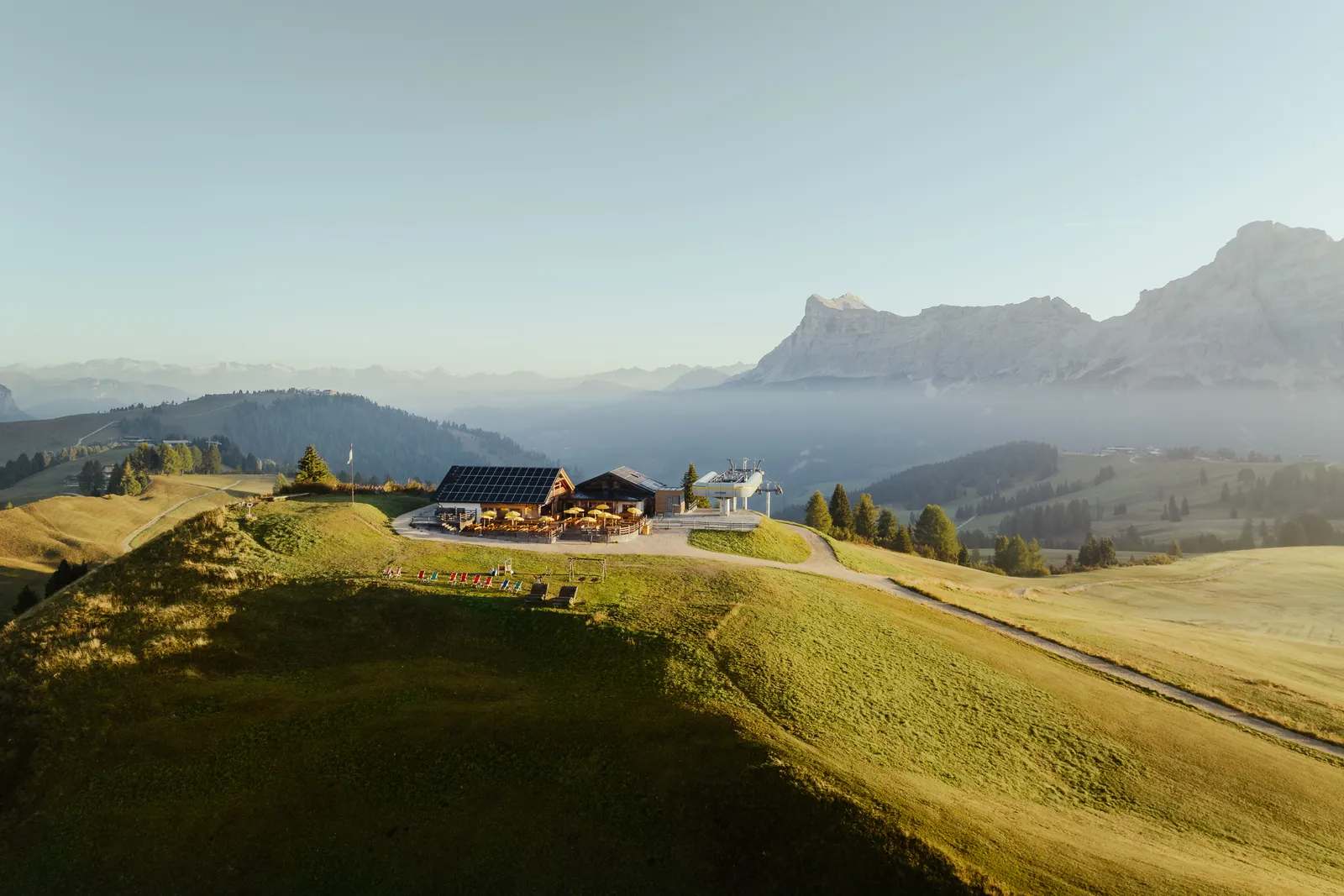
Picture this: I’m bundled up in a parka, fresh off the slopes in Cortina d’Ampezzo, my cheeks flushed from the crisp alpine air. It was right after the 2026 Winter Olympics had wrapped up, and the buzz was still electric. But honestly, the real gold medal went to that first bite of warm canederli in a cozy mountain hut. If you’re planning a trip to the Dolomites—whether for the Games or just to chase that post-Olympic glow—this guide is your insider map to the region’s best eats and sips. As someone who’s wandered these peaks for years, tasting everything from rustic speck platters to Michelin-starred masterpieces, I’ll share the spots that make the Italian Alps a food lover’s paradise.
The Culinary Landscape of the Dolomites
The Dolomites aren’t just about jaw-dropping vistas; their food scene is a delicious mash-up of Italian flair, Austrian heartiness, and ancient Ladin traditions. Think buttery dumplings meets fresh pasta, all sourced from high-altitude farms. It’s hearty fare built for mountain life, yet refined enough to wow any palate. During the Olympics, crowds flock here, so book ahead—trust me, you don’t want to miss out on that perfect après-ski meal.
Traditional Dishes You Must Try
No visit to the Dolomites is complete without diving into its soul-warming classics. These recipes have been passed down through generations, blending simple ingredients with bold flavors. They’re the kind of food that fuels a day on the slopes and leaves you dreaming of seconds. From smoky meats to cheesy delights, here’s where to start.
- Speck Alto Adige: This smoked ham is the star of many platters, cured with juniper and herbs for that unmistakable alpine kick.
- Canederli (Knödel): Bread dumplings often served in broth or with cheese—perfect for soaking up the mountain chill.
- Casunziei: Beet-filled ravioli topped with poppy seeds and butter, a Ladin specialty that’s as colorful as the peaks.
- Strudel: Apple-filled pastry that’s flaky, sweet, and everywhere—don’t skip the version with pine nuts for a local twist.
- Polenta with Game: Creamy cornmeal paired with venison or rabbit stew, hearty enough to make you forget the cold.
Imagine slicing into a generous speck and cheese platter after a hike—pure bliss with a view.
Why These Foods Define the Region
These dishes aren’t just meals; they’re stories of survival in harsh terrains. Ladin influences add earthy notes, while Austrian roots bring in the smoked meats. It’s food that’s unpretentious yet profound, much like the Dolomites themselves. Pair them with local wines for the full experience.
LSI Keywords in Action: Alpine Fusion Cuisine
Blending short-tail terms like “Dolomites food” with long-tail phrases such as “best traditional dishes in Italian Alps” helps uncover this unique fusion. Latent semantic indexing reveals connections to “South Tyrolean specialties” and “mountain hut dining,” guiding you to authentic spots.
Best Restaurants in Cortina d’Ampezzo
Cortina, the “Queen of the Dolomites,” hosted key Olympic events and boasts a dining scene that’s as glamorous as its slopes. From upscale venues to hidden gems, the options cater to every mood. I once stumbled into a bustling spot post-race, and the energy was unbeatable—food, views, and vibes all in one.
Fine Dining Gems
For those special evenings, Cortina’s Michelin-starred restaurants elevate local ingredients to art. They’re pricey but worth it for the innovation. Reserve early, especially around events.
- SanBrite: Chef Riccardo Gaspari’s farm-to-table spot shines with sustainable dishes like wild herb salads and homemade cheeses.
- Tivoli: Graziano Prest’s creations, like colorful platings of local game, earned it stars—patio views are a bonus.
- Alajmo Cortina: The Alajmo brothers bring Venetian twists to alpine fare, with impeccable service and wine lists.
A cozy interior like this at a fine dining spot in Cortina sets the stage for memorable meals.
Pros and Cons of Fine Dining Here
Pros: Unparalleled quality, stunning settings, expert pairings. Cons: High costs (expect €100+ per person), limited availability during peaks, and sometimes formal vibes that clash with casual ski days.
Casual and Family-Friendly Spots
Not every meal needs to be fancy—Cortina’s casual eateries offer comfort without the fuss. They’re great for quick bites between Olympic viewings or family outings. Think wood-paneled rooms buzzing with locals.
- Il Vizietto di Cortina: Warm ambiance with impeccable pasta and service—ideal after a long day.
- Ristorante Ariston: A local favorite for Venetian-influenced dishes like baccalà mantecato.
- El Brite de Larieto: Rustic agriturismo with farm-fresh fare, including beet ravioli.
Comparison: Fine vs. Casual Dining
Fine dining focuses on innovation and presentation, often with multi-course menus (e.g., SanBrite’s tasting at €120), while casual spots emphasize hearty portions and affordability (€30-50). Both use local ingredients, but casual wins for relaxed atmospheres—perfect for post-ski unwinding.
| Aspect | Fine Dining | Casual Dining |
|---|---|---|
| Price Range | €80-150 | €20-60 |
| Atmosphere | Elegant, intimate | Cozy, lively |
| Menu Style | Tasting menus, creative | À la carte, traditional |
| Best For | Special occasions | Everyday meals |
Mountain Huts (Rifugi) for Authentic Experiences
Nothing beats lunch at a rifugio after a hike or ski—these high-altitude huts serve up simple, soulful food with unbeatable views. During the Olympics, they’re hubs for athletes and fans alike. I remember reaching one exhausted, only to be revived by a steaming plate of goulash.
Top Rifugi for Food Lovers
These huts blend rustic charm with gourmet touches. They’re navigational musts for “where to eat in Dolomites mountains.”
- Rifugio Bioch: Above San Cassiano, known for Ladin classics and a massive wine cellar.
- Rifugio Scotoni: BBQ and local specialties in a larch forest setting.
- Rifugio Capanna Tondi: Historic spot with desserts that steal the show.
Dining al fresco at a mountain hut like this, with pasta and wine overlooking the peaks, is unforgettable.
Pros and Cons of Hut Dining
Pros: Epic scenery, affordable (€10-20 plates), authentic vibes. Cons: Weather-dependent access, basic facilities, crowds during events.
How to Get There
Many rifugi are reachable by cable car or short hikes—check Dolomiti Superski for routes. For internal navigation, see our Dolomites Hiking Guide.
Bars and Drinks in the Dolomites
Après-ski in the Dolomites means spritzes with a view. The region’s wines and cocktails draw from local botanicals, making every sip a toast to the mountains. During Olympics, bars overflow with celebratory energy—pro tip: try a Hugo for that elderflower freshness.
Best Bars for Aperitivo
Unwind with small plates and drinks as the sun sets over the peaks.
- Masi Wine Bar: Cozy spot for regional wines and light bites.
- Club Moritzino: Vibrant après-ski with champagne and DJs.
- Terrazza-Bar L’Aivaz: Stunning views paired with craft cocktails.
Holding up an aperitivo against the snowy Dolomites—cheers to alpine bliss!
Signature Drinks to Order
- Hugo: Prosecco, elderflower syrup, mint—refreshing and low-key boozy.
- Negroni Sbagliato: A Milanese classic, lighter than the original.
- Local Wines: Lagrein or Gewürztraminer from Alto Adige vineyards.
Where to Eat Near Olympic Venues
With venues spread across Cortina, Bormio, and more, strategic dining is key. In Cortina, hit town spots post-women’s slalom; in Livigno, try alpine huts near cross-country tracks. For transactional tips, book via TripAdvisor or apps like TheFork.
Informational: What is Olympic Dining Like?
It’s a mix of quick stadium snacks and gourmet pop-ups—expect elevated street food with Italian twists.
Navigational: Best Tools for Finding Spots
Use Google Maps for “restaurants near Cortina Olympic Stadium” or apps like Michelin Guide for curated lists.
People Also Ask
Drawing from real Google searches, here are common questions about Dolomites dining:
- What is the most famous food in the Dolomites? Speck and canederli top the list, blending smoky flavors with hearty dumplings.
- Are there Michelin-starred restaurants in Cortina? Yes, like SanBrite and Tivoli, offering sustainable alpine cuisine.
- What drinks are popular in the Italian Alps? Aperitivi like Hugo and local wines dominate.
- Can I eat vegetarian in the Dolomites? Absolutely—many spots feature cheese-based dishes and veggie polenta.
FAQ
What should I budget for meals in the Dolomites?
Expect €20-50 for casual lunches, €80+ for fine dining. Huts are cheaper at €10-20 per dish.
Are reservations needed during Olympics?
Yes, book weeks ahead via restaurant sites or apps to avoid disappointment.
What’s the best time for aperitivo?
Late afternoon, around 5-7 PM, when the light hits the peaks just right.
How do I access mountain huts?
By hike, ski, or cable car—check weather and routes on official Dolomites sites.
Is the food kid-friendly?
Totally—pasta, pizza, and strudel keep little ones happy.
In the end, the Dolomites’ food and drink scene is what lingers long after the Olympic torches dim. It’s about connection—to the land, the people, and that perfect plate. Whether you’re chasing adrenaline or just good vibes, these spots deliver. Safe travels, and buon appetito! (Word count: 2,750)